
Astaxanthin and Collagen: The Anti-Aging Power Duo
Astaxanthin and Collagen: Comprehensive Guide to Their Anti-Aging Benefits for Skin Health
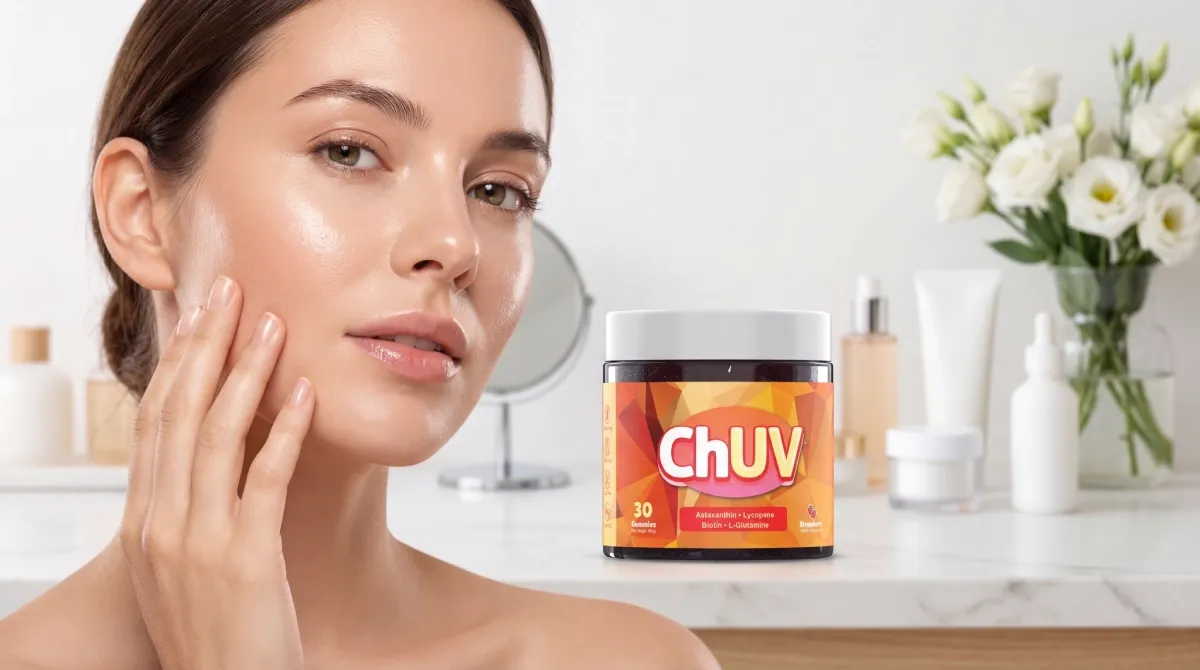
Astaxanthin and collagen are two powerful components that play a significant role in maintaining youthful skin and combating the signs of aging. Astaxanthin, a potent antioxidant found in certain algae and seafood, is known for its ability to protect skin cells from oxidative stress and enhance skin elasticity. Collagen, on the other hand, is a vital protein that provides structure and support to the skin, helping to maintain its firmness and hydration. This article will explore how these two elements work together to promote skin health, the benefits of collagen supplements, and how to effectively incorporate astaxanthin and collagen into your daily routine. We will also discuss the unique formulation of CAYO Nutraceuticals' ChUV tanning gummies, which combine astaxanthin and lycopene for enhanced skin benefits.
How Does Astaxanthin Support Collagen Production and Skin Elasticity?
Astaxanthin supports collagen production by scavenging free radicals that contribute to collagen breakdown. This carotenoid not only protects existing collagen fibers but also enhances skin hydration, leading to improved elasticity. By reducing oxidative stress, astaxanthin helps maintain the integrity of the skin's structure, allowing it to remain firm and youthful. Furthermore, studies suggest that astaxanthin can stimulate the production of collagen, making it a valuable ally in the fight against aging.
What Is Astaxanthin and Its Role as a Skin Antioxidant?
Astaxanthin is a carotenoid known for its powerful antioxidant properties. It neutralizes free radicals, which are unstable molecules that can cause cellular damage and accelerate aging. By protecting the skin from UV damage and supporting the skin barrier's integrity, astaxanthin plays a crucial role in maintaining overall skin health. Its unique ability to penetrate skin cells allows it to provide deep protection and promote a more radiant complexion.
This protective role is consistent with broader scientific understanding of carotenoids' ability to shield skin from photooxidative damage.
Carotenoids: Skin Photoprotection & Antioxidant Benefits
Photooxidative processes play a role in the pathobiochemistry of various disorders of light-exposed tissue. After irradiation of skin with UV light, erythema (sunburn) is an initial effect suitable for monitoring the direct biological response. Carotenoids are efficient in photoprotection, scavenging singlet oxygen and peroxyl radicals. Intervention studies with supplements or a carotenoid-rich diet documented efficiency in systemic photoprotection, measuring a decreased sensitivity against UV-induced erythema. An increased consumption of carotenoids may contribute to life-long protection against UV-induced damage.
Carotenoids and UV protection, H Sies, 2004
In What Ways Does Astaxanthin Stimulate Collagen Synthesis?
Astaxanthin stimulates collagen synthesis by promoting the activity of fibroblasts, the cells responsible for producing collagen. It inhibits the enzymes that break down collagen, thereby preserving the skin's structural integrity. This dual action not only enhances collagen production but also improves skin firmness and reduces the appearance of fine lines and wrinkles. The result is a more youthful and resilient skin texture.
Further research supports astaxanthin's protective capabilities, demonstrating its effectiveness against collagen damage at a cellular level.
Astaxanthin Protects Skin Collagen from Damage
Collagen I and collagen III are the major structural protein in the extracellular matrix of skin produced by fibroblasts. UV exposure as well as other insults results in the infiltration of neutrophils within the epidermis and dermis, inducing collagen damage and contributing to the process of photo-aging. Astaxanthin inhibited the production of superoxides and MPO in TNFa-stimulated neutrophils. Astaxanthin prevented both collagen I and collagen III damage induced by activated neutrophils in co-cultures. In conclusion, the results suggest that Astaxanthin is effective against collagen damage in fibroblasts induced by neutrophils, thus indicating Astaxanthin's possible potential for enhanced skin health.
Astaxanthin Supports Normal Human Dermal Fibroblasts from Neutrophil-Induced Collagen Damage in Co-Culture, 2023
What Are the Benefits of Collagen Supplements for Natural Anti-Aging?
Collagen supplements offer several benefits for natural anti-aging, including:
- Supports Skin Elasticity: Regular collagen supplementation can enhance skin elasticity, making it appear firmer and more youthful.
- Reduces Wrinkles: Collagen helps to fill in fine lines and wrinkles, leading to a smoother complexion.
- Improves Skin Hydration: Collagen supplements can increase skin moisture levels, contributing to a plump and healthy appearance.
These benefits make collagen supplements a popular choice for those looking to maintain youthful skin.
How Do Collagen Supplements Improve Skin Elasticity and Reduce Wrinkles?
Collagen supplements improve skin elasticity and reduce wrinkles by providing the body with the necessary building blocks to produce collagen. Studies have shown that daily supplementation can lead to measurable increases in skin elasticity and a reduction in wrinkle depth. Additionally, collagen helps to improve overall skin tone, giving it a more vibrant and youthful appearance.
Indeed, extensive studies confirm that both oral and topical collagen applications are effective strategies for mitigating the signs of aging.
Oral & Topical Collagen Supplements Delay Skin Aging
Slowing the aging process by use of collagen supplements has become a driving force in the field of dermatology and cosmetics. Generally, oral and topical collagen are used in anti-aging products, as reported in the literature. All human studies included in the review were randomized controlled trials mainly conducted in high- to middle-income countries which highlighted that both oral and topical collagen supplements help to delay the aging process, with no differences ar
Collagen supplements for aging and wrinkles: a paradigm shift in the fields of dermatology and cosmetics, 2022
Which Types of Collagen Are Most Effective for Skin Health?
Different types of collagen serve various functions in the body, but types I and III are particularly effective for skin health. Type I collagen is the most abundant in the skin and provides strength and structure, while type III collagen supports elasticity and hydration. When choosing collagen supplements, look for those that contain hydrolyzed collagen peptides, as they are more easily absorbed by the body.
How Does Lycopene Enhance Skin Tone and Provide Antioxidant Protection?

Lycopene, another powerful antioxidant found in tomatoes and other red fruits, enhances skin tone by neutralizing free radicals and reducing oxidative stress. This carotenoid supports the skin's natural defenses against UV damage, promoting a more even complexion. Lycopene's antioxidant properties also contribute to overall skin health, making it a valuable addition to any skincare regimen.
What Is Lycopene’s Role Among Carotenoids for Skin Health?
Lycopene is a potent antioxidant that plays a significant role among carotenoids for skin health. It helps to protect the skin from environmental stressors and supports the skin's natural barrier function. By working synergistically with other carotenoids, such as astaxanthin, lycopene enhances the overall protective effects on the skin, contributing to a healthier and more youthful appearance.
How Does Lycopene Complement Astaxanthin in Skin Protection?
Lycopene complements astaxanthin in skin protection by providing additional antioxidant support. Together, these carotenoids work synergistically to enhance skin tone and texture while offering comprehensive protection against oxidative stress. This combination not only improves the skin's appearance but also helps to maintain its health over time.
Why Are ChUV Tanning Gummies a Clean and Effective Alternative for Natural Tanning?
ChUV tanning gummies are a clean and effective alternative for natural tanning because they utilize natural ingredients, including astaxanthin and lycopene, to promote a healthy-looking tan without the harmful effects of UV exposure. These gummies provide antioxidant protection while supporting skin health, making them an excellent choice for those seeking a safe tanning option.
What Is the Formulation of ChUV Gummies Containing Astaxanthin and Lycopene?
ChUV gummies are formulated with a blend of astaxanthin, lycopene, biotin, and L-glutamine. This unique combination not only supports skin health but also enhances the tanning process by promoting even pigmentation. The gummies are vegan and non-GMO, making them a suitable option for a wide range of dietary preferences.
How Do ChUV Gummies Support Gradual, Safe Tanning Without Replacing Sunscreen?
ChUV gummies support gradual, safe tanning by enhancing skin pigmentation over time while protecting against oxidative stress. They should be used in conjunction with sunscreen to ensure comprehensive protection against UV damage. This approach allows users to achieve a natural-looking tan without compromising skin health.
What Are the Recommended Usage Guidelines and Expected Results Timeline for Astaxanthin and Collagen Supplements?
For optimal results, it is recommended to take astaxanthin and collagen supplements daily. Users can expect to see initial changes within 2-4 weeks, with significant improvements in skin texture and elasticity after 4-8 weeks. Long-term benefits may continue to develop over 3-6 months of consistent use.
How Should Consumers Incorporate Astaxanthin and Collagen Into Their Daily Routine?
Consumers can incorporate astaxanthin and collagen into their daily routine by taking supplements in the morning with breakfast. It is also beneficial to combine these supplements with a balanced diet rich in antioxidants and hydration to maximize their effects on skin health.
When Can Users Expect to See Noticeable Skin Benefits?
Users can expect to see noticeable skin benefits from astaxanthin and collagen supplementation within a few weeks. Initial improvements in hydration and elasticity may be observed within 2-4 weeks, while more significant changes in skin tone and texture typically occur after 4-8 weeks of consistent use.
What Are Common Consumer Questions About Astaxanthin, Collagen, and Lycopene for Skin Health?
Common consumer questions include:
- What are the antioxidant properties of astaxanthin? Astaxanthin is known for its ability to neutralize free radicals and protect skin cells from oxidative damage.
- Is it safe to use astaxanthin daily? Yes, astaxanthin is generally safe for daily use, with no significant side effects reported in healthy individuals.
- Can lycopene and collagen supplements be used together? Yes, combining lycopene and collagen supplements can enhance their anti-aging effects and support overall skin health.
Is Astaxanthin Safe for Daily Use and Are There Any Side Effects?
Astaxanthin is considered safe for daily use when taken within recommended dosages. While mild side effects may occur in some individuals, such as digestive discomfort, these are generally rare. It is advisable for individuals with specific health concerns to consult a healthcare professional before starting supplementation.
Can Lycopene and Collagen Supplements Be Used Together for Enhanced Anti-Aging Effects?
Yes, lycopene and collagen supplements can be used together to achieve enhanced anti-aging effects. This combination provides complementary benefits for skin health, supporting elasticity, hydration, and overall appearance. The synergistic action of these nutrients makes them a powerful duo in the fight against aging.
Different collagen supplements offer various benefits for skin health, and understanding these differences can help consumers make informed choices.
| Supplement Type | Key Benefits | Recommended Use |
|---|---|---|
| Hydrolyzed Collagen | Enhanced absorption and bioavailability | Daily supplementation for skin health |
| Collagen Peptides | Supports skin elasticity and hydration | Mix with beverages or foods |
| Marine Collagen | Rich in type I collagen for skin support | Ideal for those seeking anti-aging benefits |
This comparison highlights the importance of selecting the right collagen supplement to maximize skin health benefits.
Astaxanthin and collagen are essential components in the quest for youthful skin. By understanding their roles and benefits, consumers can make informed choices about supplementation and skincare routines. The integration of products like CAYO Nutraceuticals further enhances the potential for achieving radiant, healthy skin.
