
Astaxanthin Clinical Studies: What the Research Actually Shows

What Makes Astaxanthin Worth Studying
Astaxanthin is a carotenoid produced by the microalgae Haematococcus pluvialis. What distinguishes it from other carotenoids is its molecular structure: it spans the full width of the cell membrane, allowing it to neutralize free radicals on both interior and exterior surfaces simultaneously. This dual-action antioxidant behavior has made it a compelling subject for dermatology and nutrition researchers.
In a 2018 review published in Nutrients, researchers Davinelli, Nielsen, and Scapagnini described astaxanthin as one of the most potent naturally occurring antioxidants, with an ORAC value significantly exceeding that of vitamin C, vitamin E, and standard carotenoids. The review synthesized years of published research pointing to its role in skin repair and photoprotection.
Skin Health: What Clinical Trials Measured
Several controlled human trials have examined measurable skin outcomes from astaxanthin supplementation.
A well-cited 2012 study by Tominaga, Hongo, Karato, and Yamashita, published in Acta Biochimica Polonica, followed participants taking 6mg of astaxanthin daily for six weeks. Researchers recorded statistically significant improvements in skin moisture, texture, elasticity, and a reduction in fine line appearance. The study noted that results were observable by week four in most participants.
These findings align with what researchers understand about astaxanthin's antioxidant mechanism. Multiple trials have produced consistent patterns: gradual, visible skin improvements beginning at four to eight weeks with daily intake, corresponding to the natural cycle of skin cell turnover.

Meet ChUV
The tanning gummy the article is about.
One daily gummy. Warm, natural tone in weeks. No UV, no beta carotene, no gimmicks.
- Clinical doses of astaxanthin + lycopene
- Visible warmth by week 3-4, peak at week 8
- Vegan, non-GMO, made in the USA
Photoprotection and UV Defense
UV exposure triggers a cascade of reactive oxygen species that damage collagen, disrupt pigmentation, and accelerate visible aging. Astaxanthin's antioxidant profile positions it to intercept these reactions before they cause lasting structural changes in the skin.
The 2018 Davinelli, Nielsen, and Scapagnini review in Nutrients documented astaxanthin's capacity to reduce UV-induced oxidative stress in human tissue, noting particular relevance for skin exposed to repeated solar radiation. This photoprotective mechanism is central to the compound's appeal in science-backed beauty formulations.
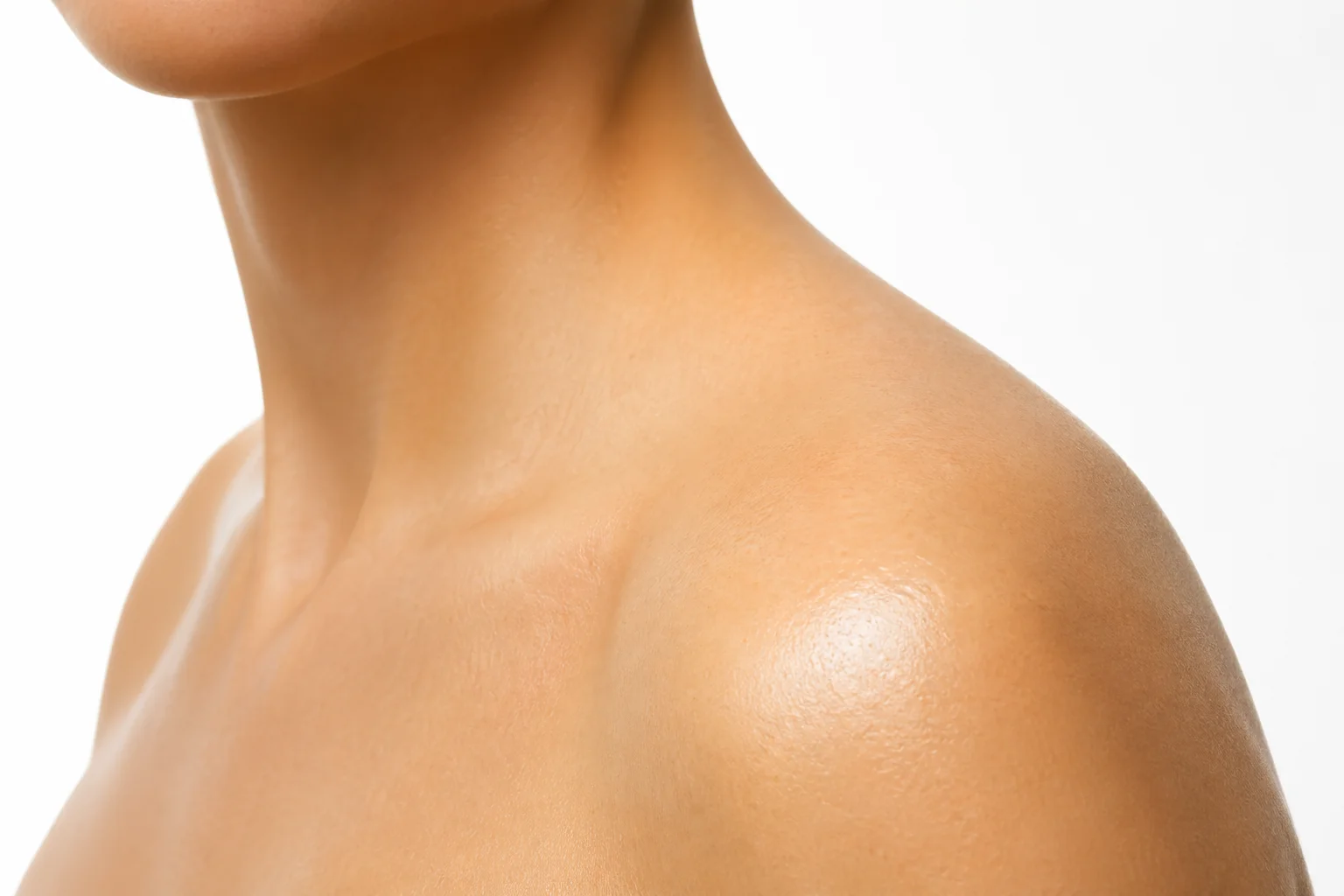
The outcome of consistent supplementation is a deepening natural sun-kissed tone: not a synthetic shift in pigmentation, but a cumulative improvement in the skin's ability to respond to and recover from light exposure.
Astaxanthin vs. Beta Carotene: Why the Difference Matters
Not all carotenoid supplements produce the same results. Beta carotene, commonly found in lower-cost tanning supplements, has a documented tendency to cause unnatural yellowish-orange tinting of the skin, particularly with high or prolonged intake. This occurs because beta carotene accumulates in subcutaneous fat and reaches visible concentrations more readily than other carotenoids.
Astaxanthin does not carry the same risk. Its molecular structure means it does not convert to vitamin A in the body at rates that trigger toxicity or discoloration. Research has not identified the accumulation-and-tinting pattern associated with beta carotene in subjects supplementing with astaxanthin.
For anyone choosing a supplement designed to enhance skin tone, this distinction matters. The goal of photoprotective supplementation is a natural warm glow, not an artificial cast that signals supplement use.
How Astaxanthin and Lycopene Work Together
Astaxanthin's effects deepen when paired with lycopene, the carotenoid responsible for the red pigment in tomatoes. A randomized controlled trial by Rizwan, Rodriguez-Blanco, Harbottle, and colleagues, published in the British Journal of Dermatology in 2011, found that concentrated lycopene intake provided measurable protection against UV-induced cutaneous damage in human subjects. The protection was linked to lycopene's capacity to quench singlet oxygen and reduce oxidative damage at the DNA level.
Together, astaxanthin and lycopene create a layered antioxidant response. Astaxanthin works across the full depth of the cell membrane. Lycopene provides additional photoprotective support at the surface layer. Formulations built on both carotenoids have gained traction in evidence-based beauty circles because the two mechanisms complement rather than duplicate each other.
ChUV tanning gummies are formulated around this pairing. One dark reddish-purple sugar-coated cube daily delivers both active compounds in a consistent, bioavailable format. Clinical research supports a four-to-eight-week window for visible results, matching the natural turnover cycle of skin cells. If you have questions about adding ChUV to your routine, reach the team through the CAYO Nutra contact page.
Frequently Asked Questions
How many clinical studies exist on astaxanthin for skin? There are dozens of published peer-reviewed papers examining astaxanthin's effects on human skin, ranging from controlled trials to comprehensive reviews. Among the most cited are Tominaga et al. (2012) in Acta Biochimica Polonica and the review by Davinelli, Nielsen, and Scapagnini (2018) in Nutrients. The evidence base continues to expand as carotenoid-based skin health attracts broader research interest.
Is the astaxanthin in tanning gummies the same type used in research? The most studied form of astaxanthin for human skin applications comes from Haematococcus pluvialis, the microalgae that produces it naturally. Formulations sourcing astaxanthin from this organism align most closely with the compounds tested in published human trials, including the Tominaga et al. study and the broader review literature cited here.
How long before visible results appear from astaxanthin supplementation? Clinical trials generally identify a four-to-six-week threshold for measurable changes with consistent daily supplementation. The Tominaga et al. 2012 study observed continued improvement across the full six-week trial period, suggesting results build progressively rather than plateauing early. Skin type, baseline sun exposure, and intake consistency all influence outcomes.
Can astaxanthin cause skin discoloration? Astaxanthin does not produce the unnatural yellowish-orange tinting associated with beta carotene supplementation. Research has not identified the same accumulation pattern in astaxanthin users. The expected outcome from consistent use is a gradual natural warm glow, not a pigment shift that reads as supplement-driven discoloration.
Does astaxanthin replace sunscreen? No. Research positions astaxanthin as a complementary layer of photoprotective support, not a replacement for topical SPF. The compound works alongside the skin's internal antioxidant defenses against UV-induced oxidative stress and is most effective when paired with a consistent sun care routine.
Start Your Research-Backed Routine
The clinical evidence behind astaxanthin is among the most consistent in the carotenoid category. ChUV tanning gummies bring together astaxanthin and lycopene in a once-daily format built around the science.
The Timeline
Watch the glow build.
Scrub through eight weeks on ChUV. Pigment saturation, biology, and the moment the shift becomes visible, week by week.
Serum carotenoid levels rising. Antioxidant activity active.
The carotenoids load.
Astaxanthin and lycopene enter systemic circulation and begin to deposit in dermal tissue. You will not see the shift yet. The biology is running underneath.
11mg
Astaxanthin daily
5.5mg
Lycopene daily
7days
Consistent dosing
The shift goes visible.
Dermal saturation reaches the threshold where warmth reads in natural light. Face, chest, and forearms register first. Subtle, not staged. Sun-kissed, never painted.
62%
Carotenoid saturation
2-3tones
Visible warmth gained
28days
Consistent dosing
Full steady state.
Even distribution across skin tissue, a warm baseline that holds as long as you stay on the daily dose. This is the ChUV finish line and the starting point of the maintenance phase.
96%
Carotenoid saturation
1gummy
To hold the tone
56days
Consistent dosing
Built around the clinical-study window. The shift is gradual on purpose: the color reads natural because it builds like a real tan.
4.8/5 from 2,300+ reviews
What customers actually say.
Questions, answered
FAQ
How long before I see results?
Most people notice a warm tone by week 3-4, with full results at 8 weeks on one gummy daily.
Do tanning gummies work?
Yes. Carotenoid pigmentation is a well-documented pathway. ChUV uses astaxanthin and lycopene, both clinically studied for skin coloration.
Will ChUV turn me orange?
No. ChUV uses astaxanthin and lycopene at measured doses for a natural warm tone. Beta carotene is the ingredient that causes orange discoloration, and we refuse to use it.
Does ChUV replace sunscreen?
Astaxanthin offers real internal photoprotection by neutralizing UV-induced free radicals at the cellular level. For prolonged outdoor exposure, pair ChUV with topical SPF. Think of them as complementary.
What if I don't tan?
You don't need the sun to tan with ChUV. Carotenoid pigmentation deposits astaxanthin and lycopene directly into dermal tissue, producing a warm tone without UV. Sun exposure makes the effect richer. Astaxanthin and lycopene are photoprotective antioxidants, so pairing ChUV with moderate sun yields a deeper, more saturated tan than either alone.
Is ChUV safe to take daily?
Yes. ChUV is made in a GMP-certified facility in the USA, contains no artificial dyes, and is formulated at doses supported by clinical literature.
Can I take ChUV with other supplements?
Generally yes. Astaxanthin and lycopene are fat-soluble, so take ChUV with a meal that contains some healthy fat for best absorption.
How is ChUV different from other tanning supplements?
Most tanning gummies rely on beta carotene, which produces an unnatural orange cast at supplement doses. ChUV stacks clinically-studied astaxanthin and lycopene for a natural warm tone.
Does ChUV contain allergens?
ChUV is vegan, non-GMO, gluten-free, and free of the major allergens. See the full supplement facts panel on the product page.
How does shipping work?
Subscriptions ship free. One-time orders ship at standard domestic rates. Orders leave our fulfillment facility within 1 to 2 business days.
When should I expect to see results?
Most people see a first noticeable warmth in weeks 3-4 and full tone expression by week 6-8. Carotenoid pigmentation is cumulative, so consistent daily use matters more than dose stacking.
Do I need to keep taking ChUV to keep my color?
Yes. Carotenoid accumulation is gradual, and so is the fade. Daily use keeps your tone consistent.
Ready to start?
One gummy a day. Four weeks to visible warmth.
Join thousands already building their glow with ChUV. Subscribe and save 10%, skip or cancel anytime.